Results Day 2025: What’s Next?
Apprenticeships: Training Scotland’s Digital Generation
Moving Office To Be Closer To The Things I Enjoy
Using My Client Facing Experience To Add Value To Our Internal Reporting
My Menzies Journey So Far: No Two Days Are The Same.
From Junior Business Support To Brand And Design Manager In 7 Years
Tech-savvy Teens: Embrace The Digital Future!
The Thrill Of Airport Firefighting
Preparing For An End Point Assessment
How To Choose Between Multiple Apprenticeship Offers
My Career Journey
From A-levels To Apprenticeship: My Story In Nuclear Engineering
Why An Apprenticeship Was The Right Path For Me
Embrace Your Future: Scottish Apprenticeship Week Is Here!
How To Overcome Imposter Syndrome As An Apprentice
Succeeding As An Apprentice In The Hybrid Work Era
Discover Your Future With Qa Apprenticeships During National Apprenticeship Week
Gain Lifelong Skills Through An Apprenticeship At Bae Systems
10 Benefits Of Apprenticeships
Common Challenges Apprentices Face And How To Overcome Them
What You Need To Know About An Optical Assistant Apprenticeship
How To Become A Shipbuilder?
Apprenticeship Levels Explained - Bae Systems
How To Become A Welder?
Why Relocate To Barrow-in-furness?
Why Get Into Manufacturing And Operations?
Avoiding Procrastination During An Apprenticeship.
Preparing For The New Year As An Apprentice
My Experience As A Degree Apprentice At Sellafield Ltd
Record £1 Billion Skills Investment As Bae Systems Set To Recruit Thousands More Apprentices And Graduates In 2025
Exploring Unique Alternatives To Traditional University Paths
Mastering The Apprenticeship Application Process: Your Step-by-step Guide To Success
2 Years As An Apprentice – My Insights
How To Increase Productivity
How To Finish Your Year Strong As A Degree Apprentice: Tips For Success And Why It Matters
Five Reasons To Join A Bae Systems Apprenticeship
The Frights And Thrills Of Starting A Degree Apprenticeship
Apprenticeship Levels Explained.
How To Avoid Burnout As A Degree Apprentice
How To Upskill As An Apprentice
How To Juggle Work And Study During An Apprenticeship
Speak Up - The Power Of Apprentice Voices In The Workplace Starting An Apprenticeship Can Be Both Exciting And Daunting.
What Is An Epa And Why Is It Important?
Case Study – Abby
Nicole Campbell Apprenticeship
Myth Busting: Battling The Ignorance That Degree Apprenticeships Are Just For Those Who Can't Get Into University
Choosing The Best Pc For Graphic Design
Navigating The Next Steps After Completing Your Apprenticeship
Overcoming Self-doubt: My Journey To Success In The Government Economic Service Degree Apprenticeship Programme
Where You’ll Be Valued For Who You Are The Difference You Bring
Where Every Day Brings New Opportunities
Where Who You Are Matters More Than Your Cv
Imposter Syndrome As An Apprentice
Understanding The Different Types Of Apprenticeships Available
How To Leverage Social Media To Boost Your Career Prospects
The Benefits Of Taking A Gap Year For Career Development
The Importance Of Soft Skills In The Job Market
How To Write A Winning Cv And Cover Letter Without A Degree
The Role Of Mentorship In Career Development For Non-graduates
How To Find And Apply For Scholarships For Vocational Courses
The Future Of Remote Work For Non-graduates
How To Turn Your Hobby Into A Full-time Job
Internship Opportunities For High School Graduates
Exploring Creative Careers: From Art To Music To Design
Balancing Work And Study: Tips For Part-time Learners
How To Build A Strong Professional Network Without A Degree
Understanding The Financial Benefits Of Apprenticeships
Stories Of Successful Entrepreneurs Who Didn’t Go To University
The Rise Of Boot Camps: Fast-track Your Tech Career
Navigating The Gig Economy: Tips For Success
Vocational Training Vs. University Education: Pros And Cons
How To Start A Freelance Career Right After High School?
Top Apprenticeship Programs In 2024
Preparing For Apprenticeship Applications: Summer Of Year 12 Edition
Get A Step Ahead With Htqs Designed For The Modern Workforce
Learning From Seniors And Peers: A Guide For Apprentices
Prepare For The Career You Want With Btec Higher Nationals
Soaring Beyond The Conventional: My Journey From Cabin Crew To Degree Apprentice
From Apprentice To Expert: Success Strategies For New Government Economists
Balancing Work And Study As A Degree Apprentice
The 2024 Qsa Final Is Coming - Meet One Of The Judges!
Degree Apprenticeships – Critical To Business Success
What Traits Make You A Successful Apprentice?
Helping Other Apprentices: Revealing The Truth Behind Why This Is Important
From Classroom To Control Room: Your Apprenticeship In Rail Signalling Begins Here
6 Crucial Tips When Considering An Apprenticeship
7 Reasons I Love My Apprenticeship
How My Apprenticeship Gives Me Unlimited Career Progression - Akram
What Can You Expect From An Ads&t Apprenticeship?
What You Need To Do To Start Your Career Straight Away
Unlock Support And Opportunity With Our Degree Level 6 Apprenticeships
What Is An End Point Assessment? Is It Really Hard?
Smart Start Finance - Managing Your Own Finances As An Apprentice
Unveiling The Benefits: Why Choose A Degree Apprenticeship In Economics?
Shocking Stat Reveals Only 16.5% Of The Uk’s Engineering Workforce Is Female
How My Apprenticeship In Private Banking Shaped My Career
How My Apprenticeship Has Shaped My Career
The Different Stages Of A Degree Apprenticeship Application Process
Naw 2024: 7 Reasons I Love My Atkinsréalis Apprenticeship
Why Atkinsréalis Engineering Apprentices Come Out On Top.
How My Apprenticeship Kick-started My Career (shenel)
How To Integrate With Your Team More As An Apprentice
Drawbacks That Must Be Considered Before Embarking On An Apprenticeship
Championing Apprenticeships Event
How My Apprenticeship Kick-started My Career (louie)
Navigating The New Year As An Apprentice
The Advanced Therapies Apprenticeship Community Welcomes Its 300th Apprentice!
Building For Your Apprenticeship Career
Apprenticeship Levels Explained
Life As An Apprentice At Wbd!
How To Build And Manage An Effective Apprenticeship Portfolio
Turning A Passion Into A Career: Creative Apprenticeship Opportunities
The Role Of A Mentor Within Your Apprenticeship
How Many Apprenticeships Should I Apply For?
Why You Should Do A Project Management Degree Apprenticeship
How To Write Apprenticeship Personal Statements
How To Practise Self-care During Your Apprenticeship
Preparing For The Second Year Of My Apprenticeship
Make Results Day Count: Reach Students When It Matters Most
Five Reasons You Should Do An Apprenticeship
Season 5 Of Find Your Force: Join Harry & Aaron For An Off-road Adventure With The Raf
Level Up Your Career: How Gaming Skills Can Take You Far In The Raf
What Are The Most In-demand Roles In Rail?
How To Become An Apprentice In Rail
All About Degree Apprenticeships
Meet Molly, Marketing Apprentice
Meet Sean, Business Admin Apprentice
Meet Aaron, Customer Service Apprentice
Meet Malissa, Software Tester Apprentice
Meet Gemma, Marketing Apprentice
Meet Lizzie, Technology Apprentice
Meet Gokul, Technology Apprentice
5 Reasons To Work At Toyota & Lexus
Leveraging Pinterest For Attraction And Recruitment Of Apprentices And School And College Leavers
Working For The Environment Agency
Advice For Aspiring Solicitor Apprentices Applying This Coming Recruitment Season
Arina’s Top Solicitor Apprentice Application Tips
Asking Insightful Questions At Events
Acing Your Military Application: A Step-by-step Guide
Work Tips
What Makes Atkinsréalis A Top Choice To Accelerate Your Career
How To Become A Software Engineer
Uk Rail Customer Service: Entry-level Jobs With Great Growth Potential
How To Become A Civil Engineer
How To Become A Project Manager
Case Study – Lex
The Importance Of Cpd
How Work Experience Shaped My Engineering Career
Why Work Experience Is Important
Work Experience Explained
Sustainable Careers In Rail
Paperwriter Review: Inside The Platform Students Are Trusting
Expert Advice On Lifelong Learning And Career Development Without University
How Term Paper Writing Can Help Students Land Great Job Opportunities
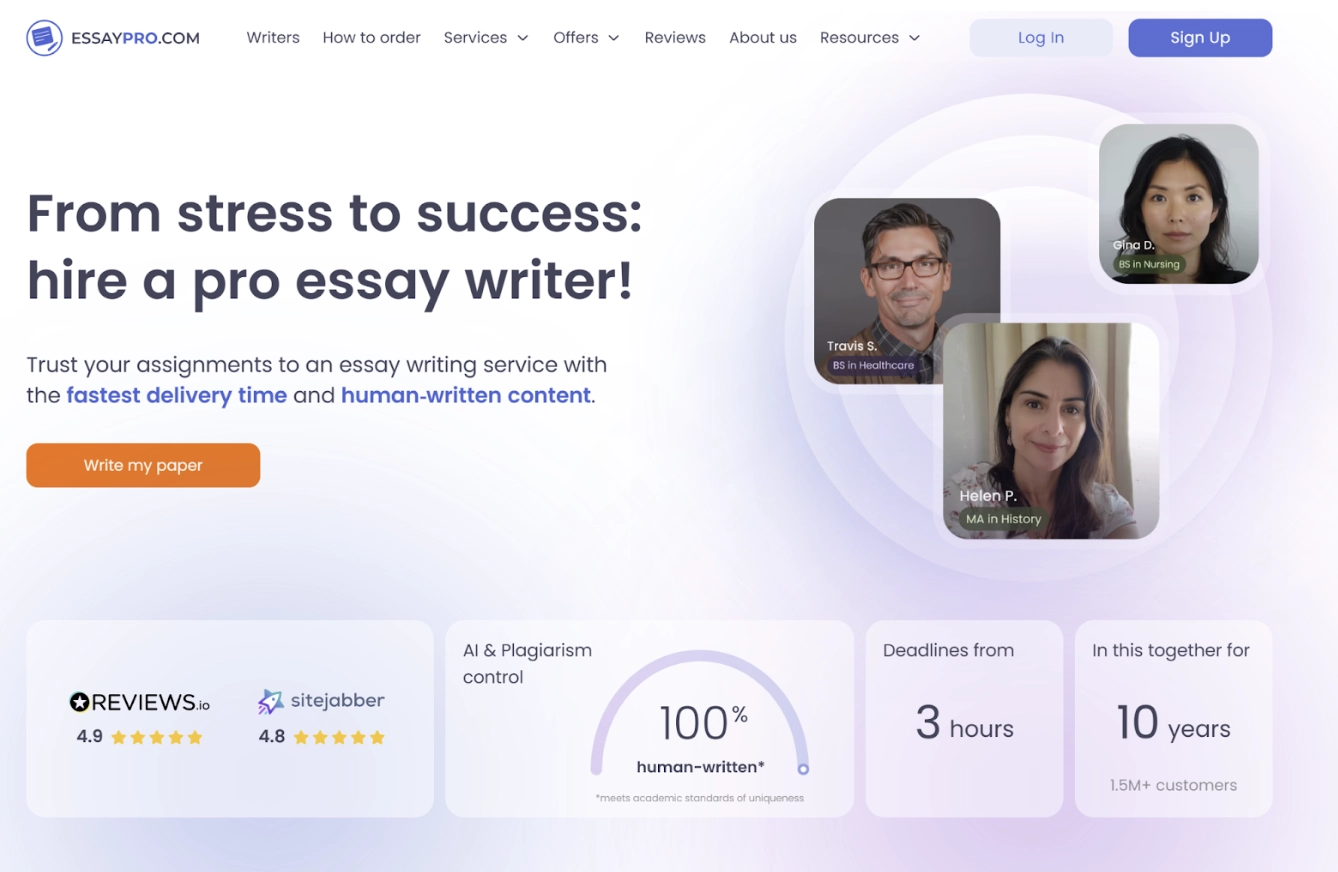
Essaypro Review: What We Found After Testing It
Career Planning: What It Is, How To Do It
From Manchester To The Ft Newsroom
Beyond A-level Results: A Guide To Your Future Options
How To Make Yourself Scholarship Ready As An Aspirant
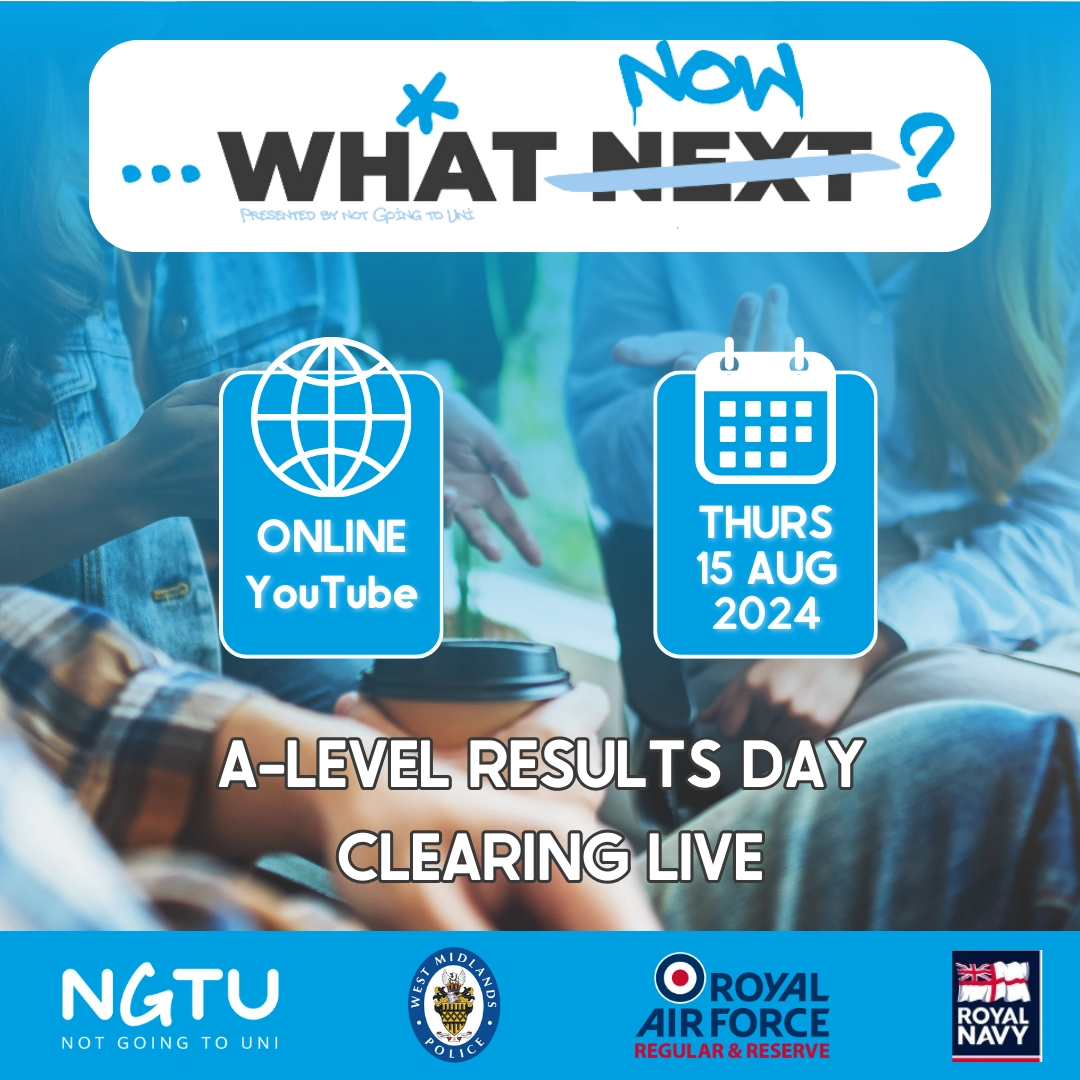
Join Not Going To Uni On 15th August For Our Clearing Day Live!
Occupational Health And Safety Tips For Your Apprenticeship
Managing Stress During Exam Season
A-level Exam Survival Guide: Structuring Your Revision For Success
Unlock Your Brain's Potential: Exciting Revision Hacks For Exam Excellence
My Experience With Tech Conferences
Don't Overlook Staying Informed On Industry Trends!
Everything You Need To Know About T-levels
Working As A Woman In The Hospitality Industry
Working As A Woman In The Financial Industry
A Woman’s New Beginning In It Finance
Why I Love Working In Data And Ai As A Woman.
How My Course Shaped My Career
Discover How Being Self Employed Has Helped To Shape My Career
Discover All Of The School-leaver Opportunities Available To You At This Unmissable Event!
Importance Of Soft Skills Within Assessment Centres
Upskilling For The Future: Top In-demand Skills In The Uk Job Market
Exploring The Spectrum: The Importance Of Keeping Your Early Career Options Open
Why You Should Network At Events
What Careers Are Available In The Creative Industries?
Looking After Your Eye Health: Why It Matters In The Professional World
Ways To Destress And Relax From Your Studies/ Work Over This Festive Break
Navigating The Maze: Confronting Imposter Syndrome And Embracing Evolving Responsibilities As An Apprentice
How To Get Involved With Your Professional Institution?
Attending The Mental Health Uk Money & Me Workshop
Embracing Diversity And Youth In The Evolving Construction Industry
Things To Consider Before Doing An Msc Qualification
Navigating Rejections: Your Path To Success In Degree Apprenticeships
Looking After Your Mental Health
What University? & What Career? Live Is Back! Top 5 Tips To Make The Most Of Your Day
Carers Trust Event At Ucas
Gap Year Living: Accommodation Tips For Travel And Training
Here's Why You Should Take A Cruise For Your Gap Year
How My Gap Year Shaped My Career
Interview Tips For School Leavers: How To Stand Out Without A Degree
Mastering An Interview: Tips And Tricks
Interview Top Tips
Assessment Centre – My Experience And Top Tips
A Guide To Assessment Centres And Interviews
Application Form Top Tips
Warner Bros. Hints & Tips For Your Apprenticeship Application
This website uses cookies